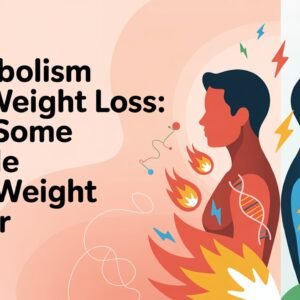
If you’ve ever followed the same diet as someone else but seen completely different results, you’re not alone. Weight loss is not a one-size-fits-all process. While calorie intake and physical activity matter, they don’t tell the whole story. Your metabolism, genetics, hormones, and lifestyle all influence how quickly—or slowly—you lose weight.
The Role of Metabolism in Weight Loss
Metabolism refers to the chemical processes your body uses to convert food into energy. A major component of this is your Basal Metabolic Rate (BMR), which determines how many calories your body burns at rest just to maintain essential functions like breathing, circulation, and cell repair.
People with a higher metabolic rate burn more calories naturally, even when they’re not exercising. Others may have a slower metabolism, meaning their bodies conserve energy more efficiently—making weight loss more challenging.
Genetics vs Lifestyle: What Matters More?
Genetics can influence how your body stores fat, regulates hunger, and burns calories. Some people are simply predisposed to gain or lose weight more easily.
However, lifestyle still plays a powerful role. Factors such as:
- Diet quality
- Physical activity
- Sleep patterns
- Stress levels
can either support or hinder your weight loss progress. Even with less favorable genetics, the right strategy can significantly improve outcomes.
Muscle Mass, Age, and Hormones Explained
Muscle tissue burns more calories than fat, even at rest. This means individuals with higher muscle mass tend to have faster metabolisms. As people age, muscle mass naturally declines, which can slow metabolic rate.
Hormones also play a key role. Imbalances in hormones related to insulin, thyroid function, and appetite regulation can impact how your body processes and stores energy.
Common Myths About “Fast” and “Slow” Metabolism
Many people believe their metabolism is “broken” or impossible to change. In reality:
- Metabolism can adapt based on diet and activity
- Extreme dieting can slow metabolism over time
- Sustainable habits can improve metabolic efficiency
Understanding these factors is the first step toward smarter, more effective weight loss.
Metabolic Testing for Weight Loss: Is It Worth It?
Once you understand that metabolism plays a key role, the next logical question is: can it be measured—and used to your advantage?
What Is Metabolic Testing?
Metabolic testing evaluates how efficiently your body burns calories and uses energy. It provides insight into your resting metabolic rate and overall metabolic health.
Types of Metabolic Tests
Common methods include:
- Resting Metabolic Rate (RMR) testing: Measures calories burned at rest
- Indirect calorimetry: A clinical method that analyzes oxygen consumption
- Blood testing: Evaluates markers like glucose, thyroid hormones, and lipid levels
These tests help create a clearer picture of how your body functions.
Benefits of Metabolic Testing
Metabolic testing can:
- Provide personalized calorie targets
- Identify metabolic inefficiencies
- Help avoid overly restrictive dieting
- Support more accurate weight loss planning
Instead of guessing, you’re working with real data.
Limitations and What Most Clinics Don’t Tell You
While helpful, metabolic testing is not a magic solution. It does not guarantee rapid weight loss. Results must be combined with a structured plan that includes nutrition, exercise, and medical guidance.
Additionally, metabolism can change over time, meaning ongoing adjustments are often necessary.
Who Should Consider Metabolic Testing?
Metabolic testing may be beneficial if you:
- Struggle to lose weight despite dieting
- Experience weight plateaus
- Want a data-driven, personalized approach
- Prefer medically supervised weight loss strategies
It’s especially useful for individuals looking for long-term, sustainable results rather than quick fixes.
Customized Metabolism-Based Weight Loss Programs
Understanding your metabolism is only part of the equation. The real transformation happens when that knowledge is used to build a personalized plan.
Why Generic Diets Fail
Most popular diets fail because they assume everyone’s body works the same way. They often:
- Ignore metabolic differences
- Use fixed calorie limits
- Lack medical personalization
This leads to frustration, plateaus, and unsustainable results.
How Personalized Programs Work
A metabolism-based weight loss program is tailored to your body’s specific needs. It takes into account:
- Your metabolic rate
- Body composition
- Hormonal profile
- Lifestyle habits
This allows for a strategy that aligns with how your body actually functions.
Key Components of a Personalized Plan
Effective programs typically include:
- Customized nutrition planning
- Structured physical activity
- Behavioral and lifestyle coaching
- Medical supervision when needed
In some cases, advanced treatments may also be included.
For individuals who qualify, medications like Semaglutide and Tirzepatide may be used under medical supervision. These treatments work by helping regulate appetite, improving blood sugar control, and supporting more consistent weight loss when combined with a comprehensive program.
Real Benefits of a Tailored Approach
Personalized weight loss programs can:
- Improve adherence and consistency
- Reduce trial-and-error dieting
- Support long-term weight management
- Address underlying metabolic factors
Instead of forcing your body into a generic plan, the plan is built around you.
Choosing the Right Medical Weight Loss Clinic
Not all programs are created equal. When selecting a clinic, look for:
- Evidence-based treatment methods
- Personalized care plans
- Qualified medical professionals
- Ongoing monitoring and support
If you’re ready to explore a clinically guided and customized approach, you can learn more about medical weight loss programs here:
Final Thoughts
Weight loss is more complex than willpower or calorie counting. Differences in metabolism, genetics, and lifestyle mean that no two individuals will experience the same results.
By understanding how your body works—and using tools like metabolic testing and personalized programs—you can move away from frustration and toward a more effective, sustainable solution.
For many individuals, combining medical expertise, tailored nutrition, and advanced treatments when appropriate offers a clearer path to long-term success.